Navigating Creativity: Striking the Perfect Balance Between Agile and Waterfall Processes in the Creative Agency Landscape
Tricia Fama, COO
Welcome to the Creative Crossroads: Agile vs. Waterfall! What are these processes all about?
Welcome to an exploration of two of the most influential project management methodologies in the world of creative agencies: Agile and Waterfall. These methodologies dictate how projects are planned, executed, and completed. While they may seem divergent, each has its own set of strengths that can be harnessed to achieve optimal results.
Agile and Waterfall: What’s the Big Difference?
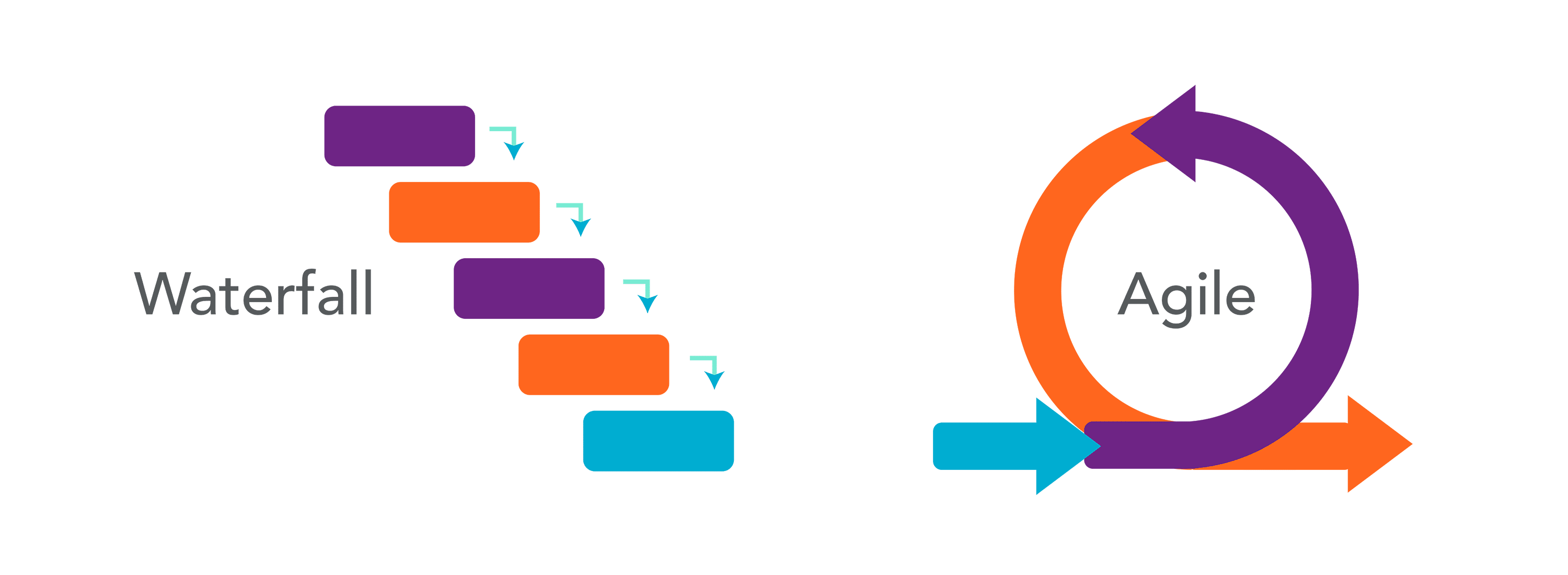
At its core, the Waterfall model is a traditional, linear approach. Projects are divided into sequential phases, with each phase completed before the next one begins. It’s like a well-orchestrated symphony where every note must be perfect before moving on.
Agile embraces flexibility and collaboration. It breaks projects into smaller, manageable chunks called sprints, allowing teams to constantly adapt, learn, and evolve their approach. Think of it as a jazz improvisation, where the musicians respond to each other’s cues to create something truly unique.
Why Do Creative Agencies Need Both?
Creative agencies are vibrant hubs of innovation, fueled by artistic passion and client demands. In this landscape, both methodologies have their roles to play in a large campaign:
- Agile’s Dynamic Dance: Agile shines when creativity and client feedback are paramount. Creative projects often involve a fair amount of uncertainty and the need to iterate quickly. Agile enables teams to experiment, gather feedback, and refine their work iteratively. This is particularly valuable when developing websites, apps, or design projects where client preferences might evolve. Keep in mind that agile does not equate to fast, or faster than Waterfall.
- Waterfall’s Masterstroke: Waterfall processes suit projects that demand meticulous planning, such as branding campaigns or large-scale events. When every detail must be perfected before unveiling, Waterfall ensures a comprehensive approach where each aspect receives dedicated attention.
The Blend: Where Magic Happens
In the real world of project management and development, many projects are not completely black or white. They actually benefit most from a hybrid approach that takes advantage of the strengths of both Agile and Waterfall methodologies without allowing them to get in each other’s way.
Source: Hybrid Projects: How Can Waterfall and Agile Work Together?
Some initiatives may do better as just Agile or just Waterfall, and that’s OK.
That said, picture a symphony that starts with a structured score but allows room for musicians to improvise and adapt as they play. This is the magic that occurs when Agile and Waterfall harmonize. By blending these methodologies, creative agencies can capitalize on Agile’s agility while maintaining Waterfall’s attention to detail.
The Agile-Waterfall Symphony: How Does It Work?
In practice, consider using Waterfall for the planning and early conceptualization stages. Once the foundation is set, transition to Agile for execution. This way, the project benefits from a solid structure while allowing flexibility for innovation and client feedback. The key is knowing when to pivot. The success of this blend hinges on knowing when to pivot from one approach to the other. Listen closely to your team and clients. If the project’s requirements evolve dramatically, it might be time to shift from Waterfall’s predictability to Agile’s adaptability.
Let your agency guide you on the best approach. In the dynamic creative agency world embracing both Agile and Waterfall is about acknowledging that creativity thrives in diverse forms. A symphony needs both composed sections and improvisational solos to create a truly captivating experience. By wisely choosing the right approach at the right time, creative agencies can ensure their projects hit all the right notes.
So, whether you’re orchestrating a grand branding spectacle or fine-tuning a pixel-perfect design, remember: it’s not about choosing sides, but about crafting a harmonious blend that resonates with both your team’s talents and your client’s vision. Welcome to the symphony of creativity, where Agile and Waterfall dance together in perfect rhythm!
If you need the support, e6 is here to help. We’d love to hear from you!
About the Author
Tricia is currently COO of Element Six Creative Group. She is a seasoned creative professional with 30+ years’ experience shaping impactful narratives and strategies within the realms of B2B pharma, life sciences and med tech/device sectors. Having traversed the landscapes of in-house creative agencies and as part of a marketing and design agency, she is a versatile expert with a comprehensive skill set. With a passion for understanding client needs deeply, she ensures a client-centric approach that goes beyond mere service – it’s about fostering meaningful partnerships.
Fueling Tricia’s leadership philosophy is the commitment to empathy through servant leadership.


